
)
Tables guide - Choose the right table
Not sure which Tables are right for you?
Get tips and advice with the sleepotable guide
Dining tables, Coffee tables, Side tables - they're all important pieces of furniture in your home, but it's not always easy to know which material and shape best suits your needs. In this guide, we'll guide you to finding your perfect Tables.
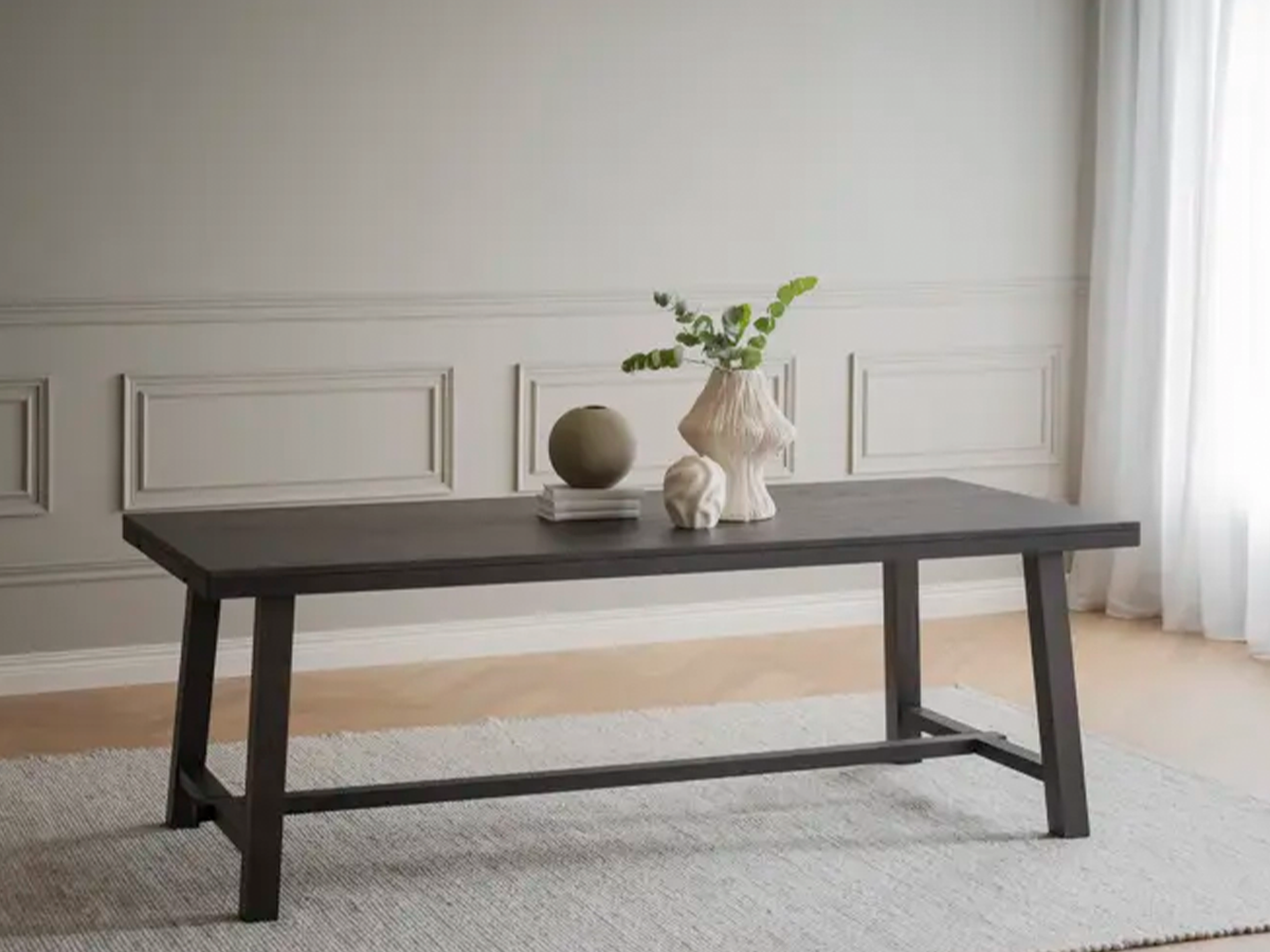
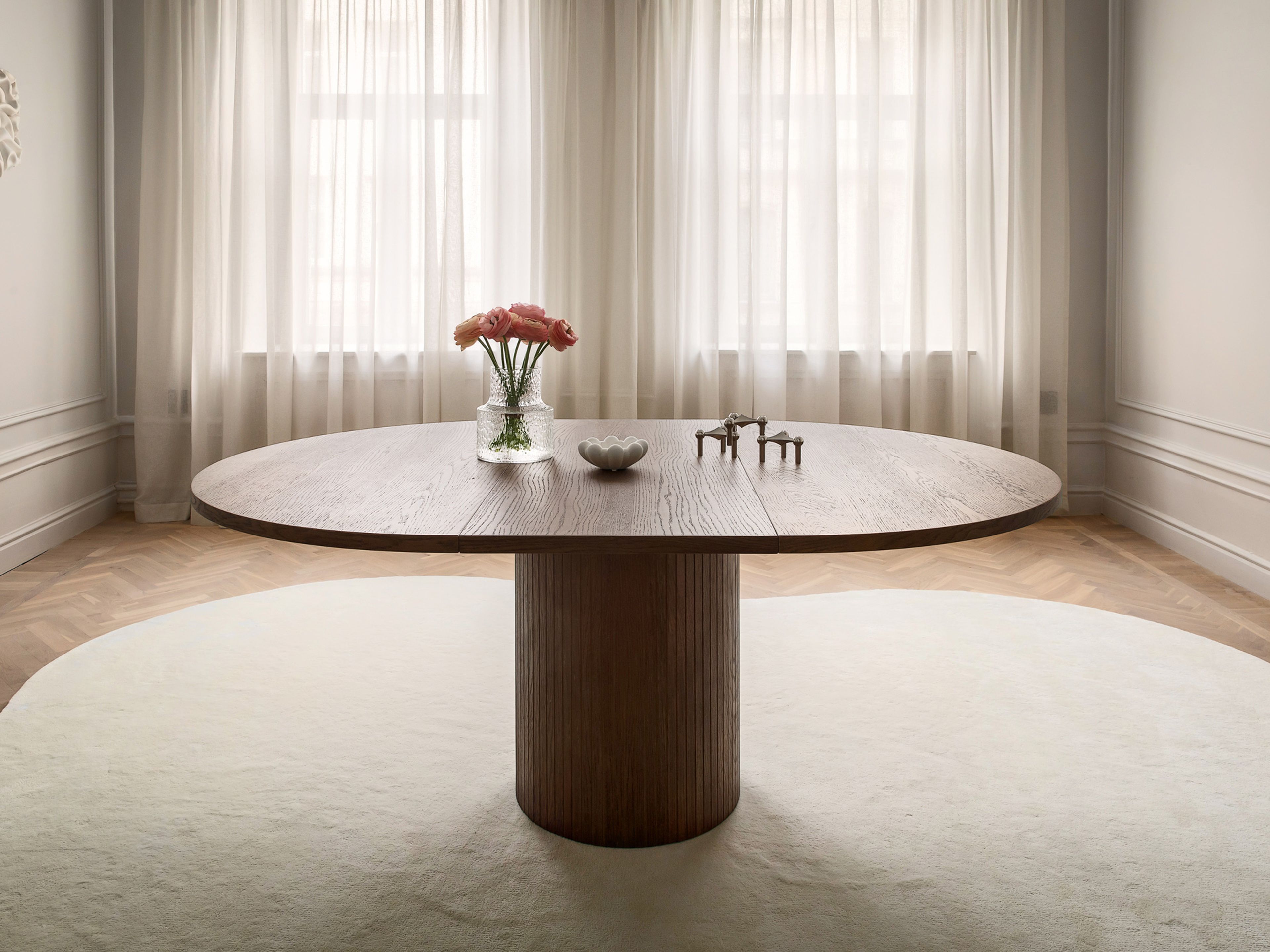
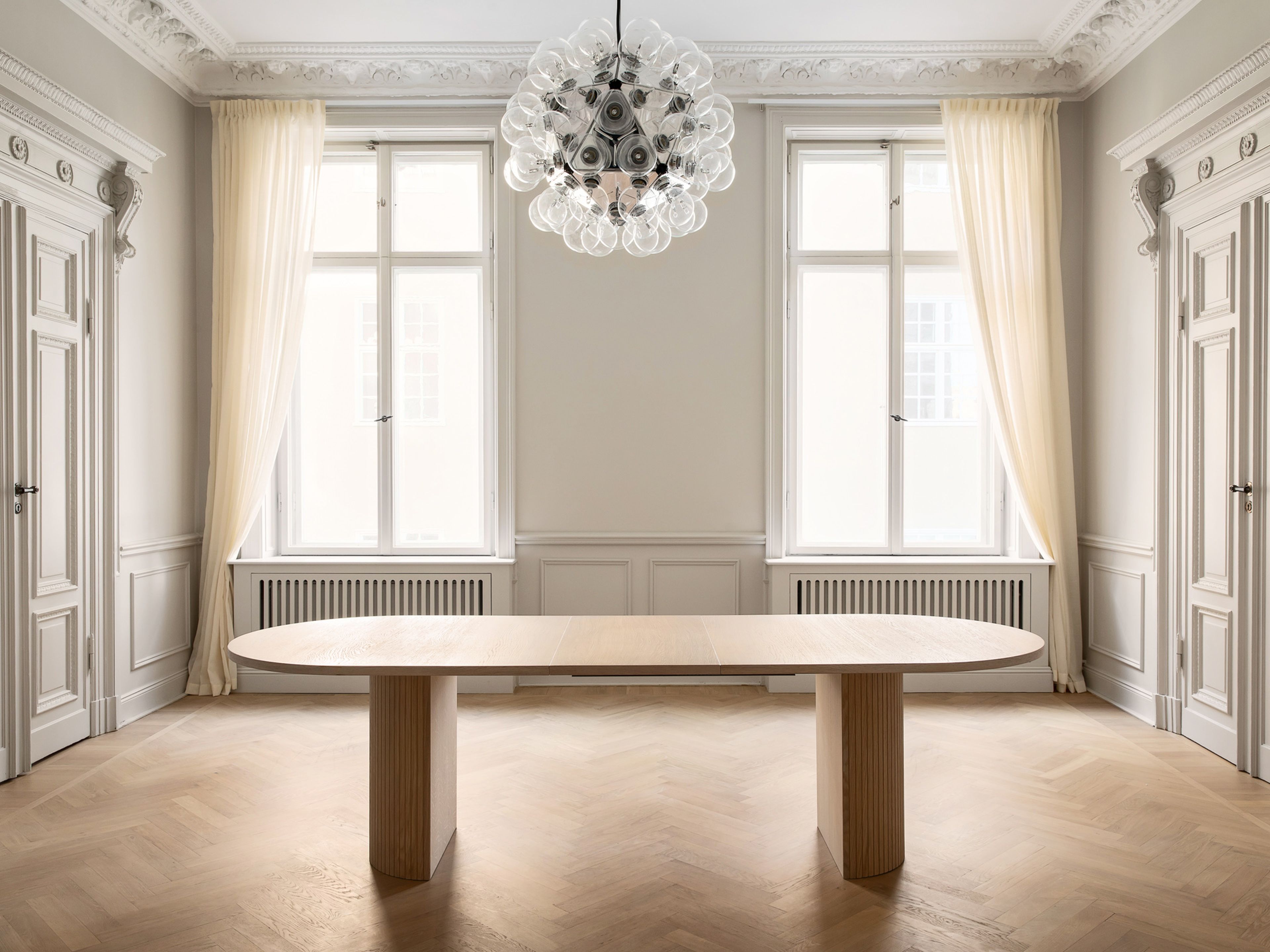
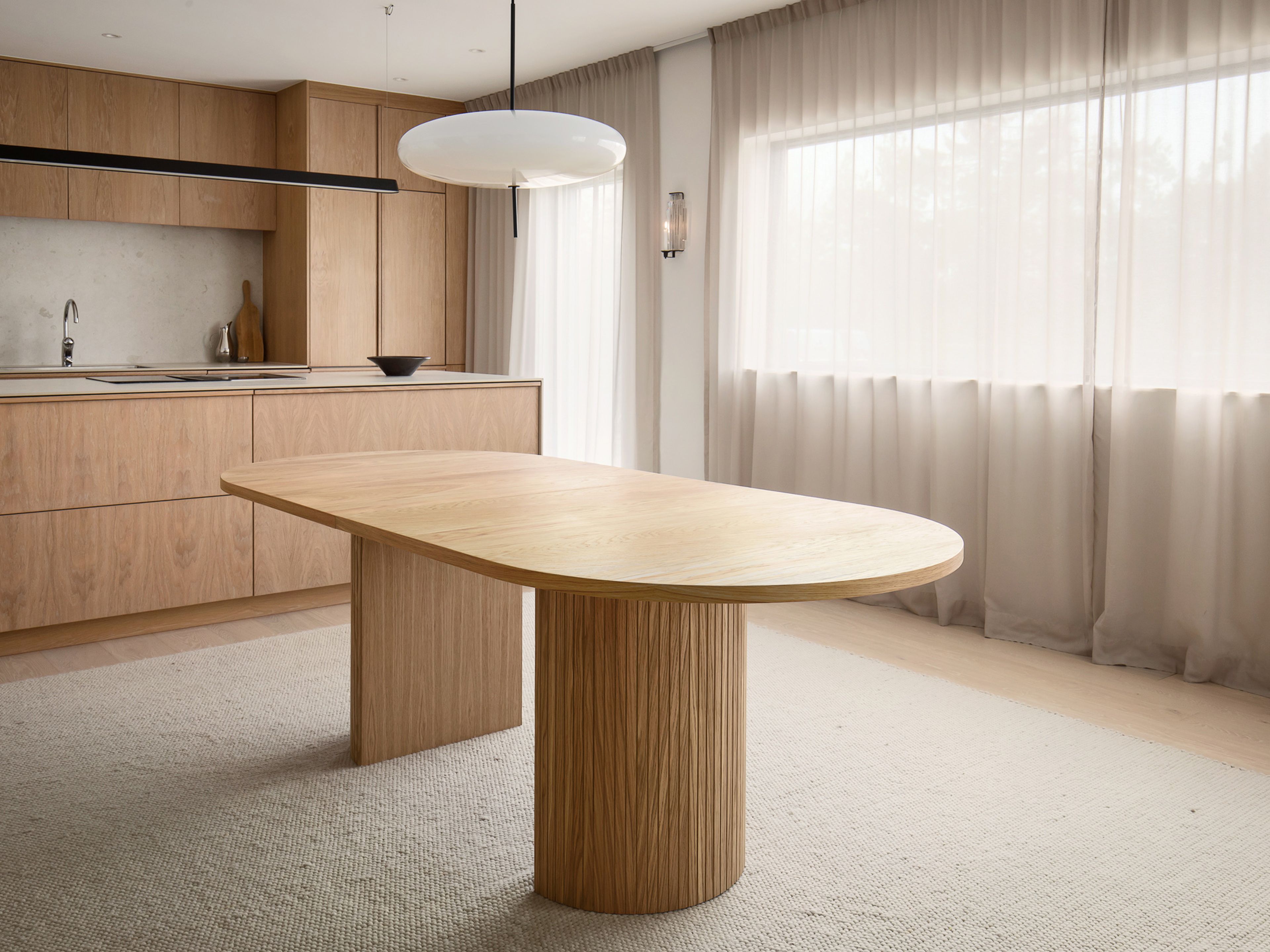
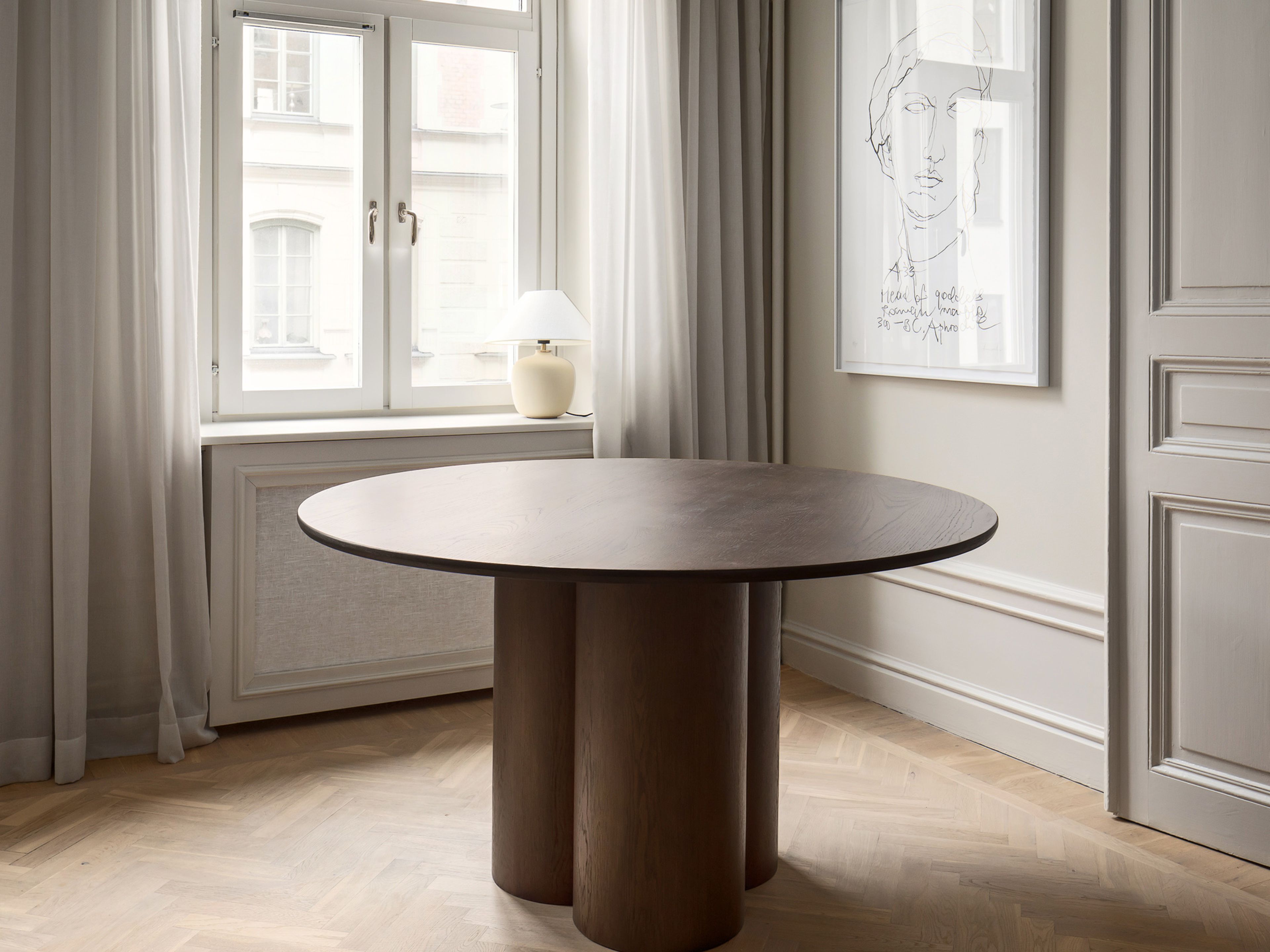
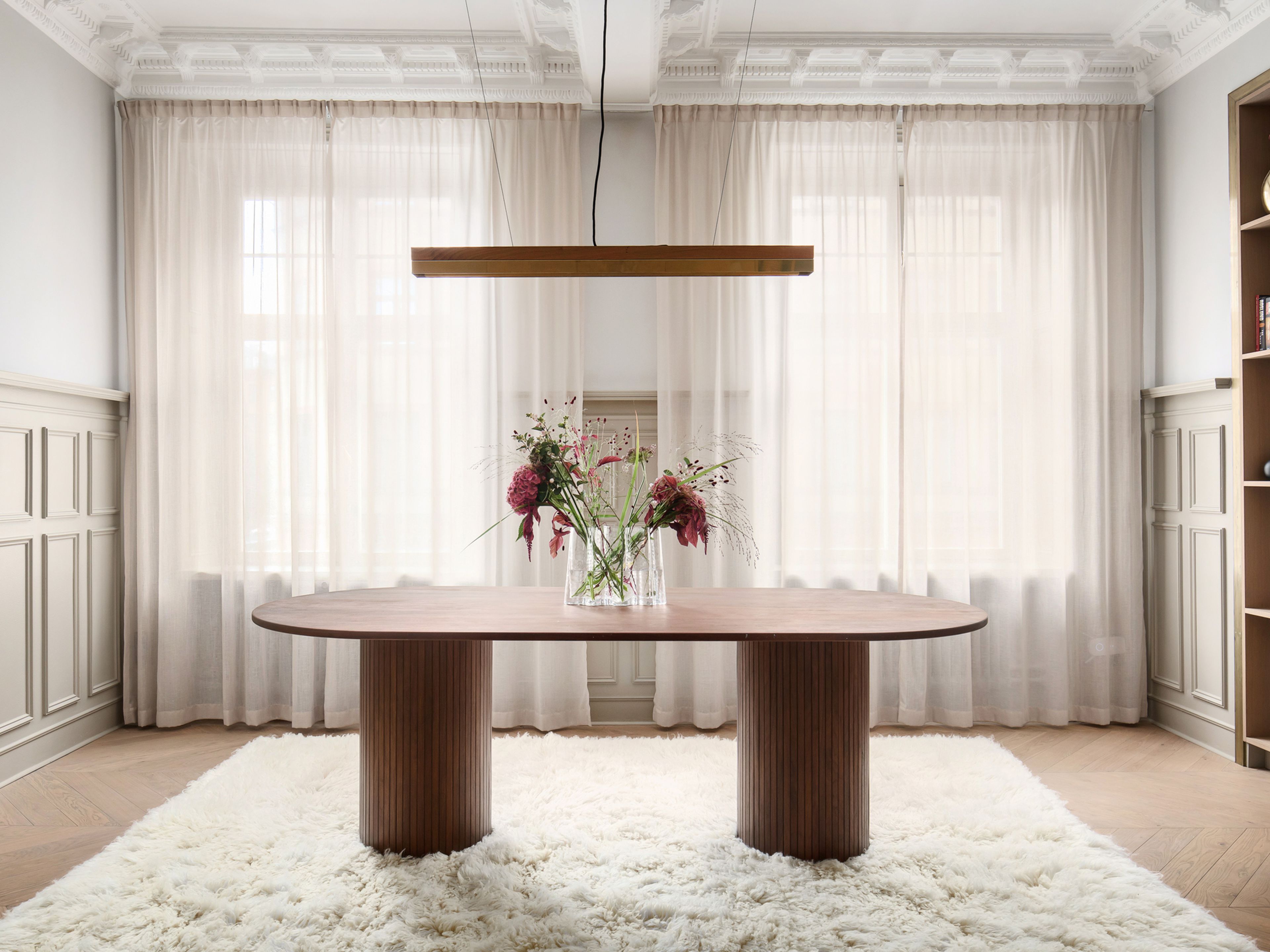
What shape should your Tables be?
How to choose materials and finishes for your Tables
The choice of materials and finishes is an important part to consider when buying a new Tables. What is right for you and your home is of course individual and can be difficult to decide. That's why you'll find an overview of the different properties of the materials here.
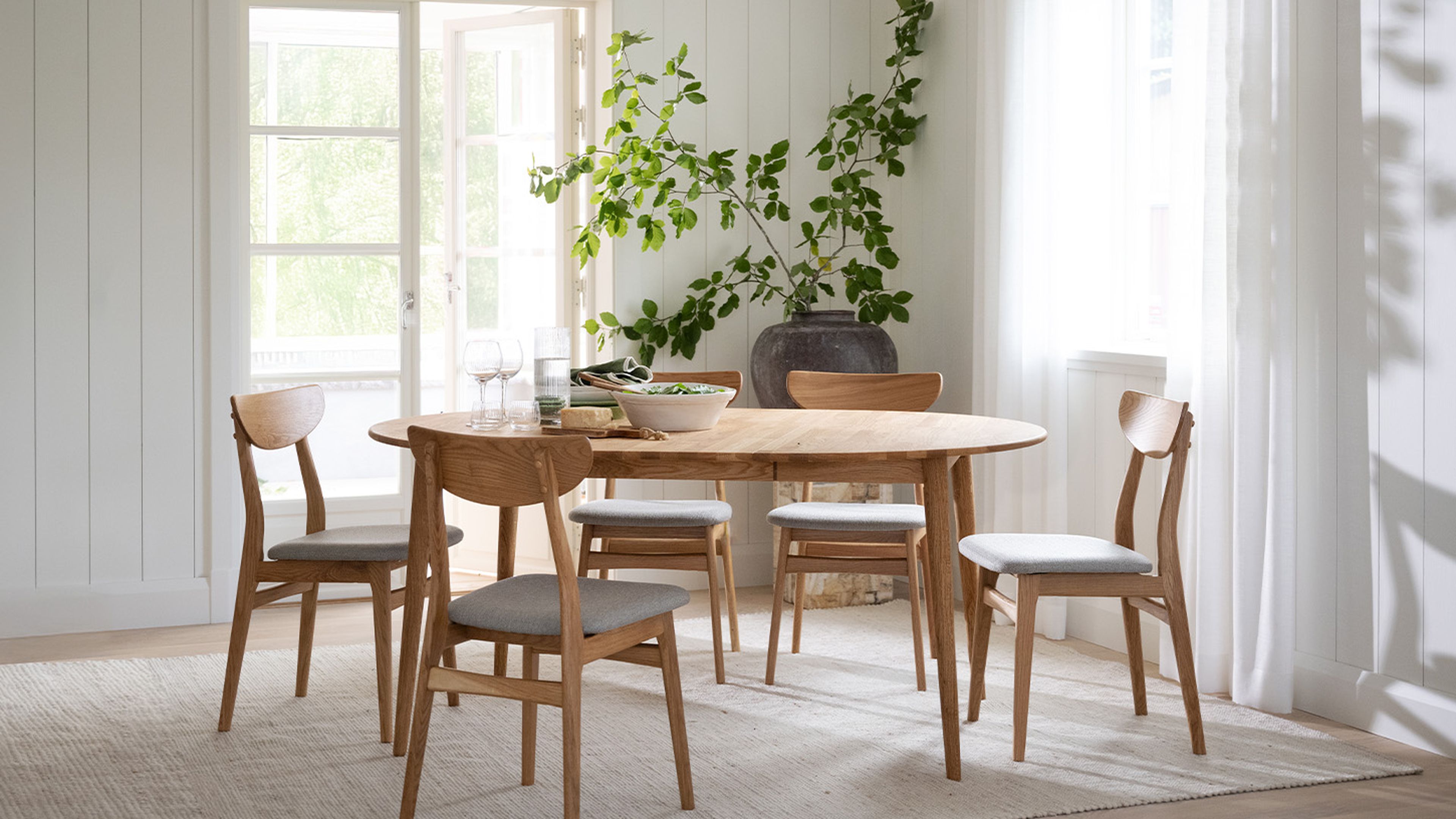
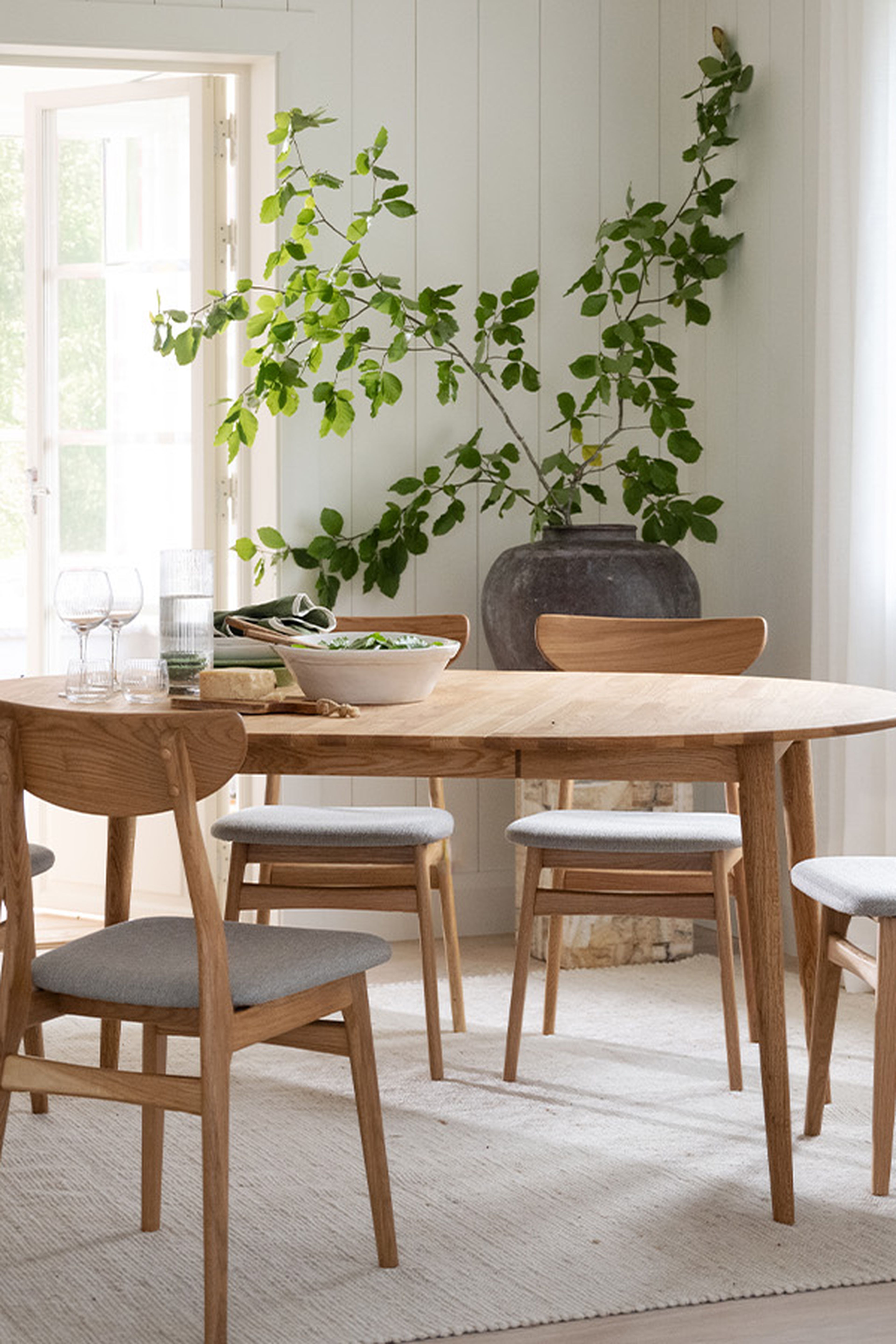
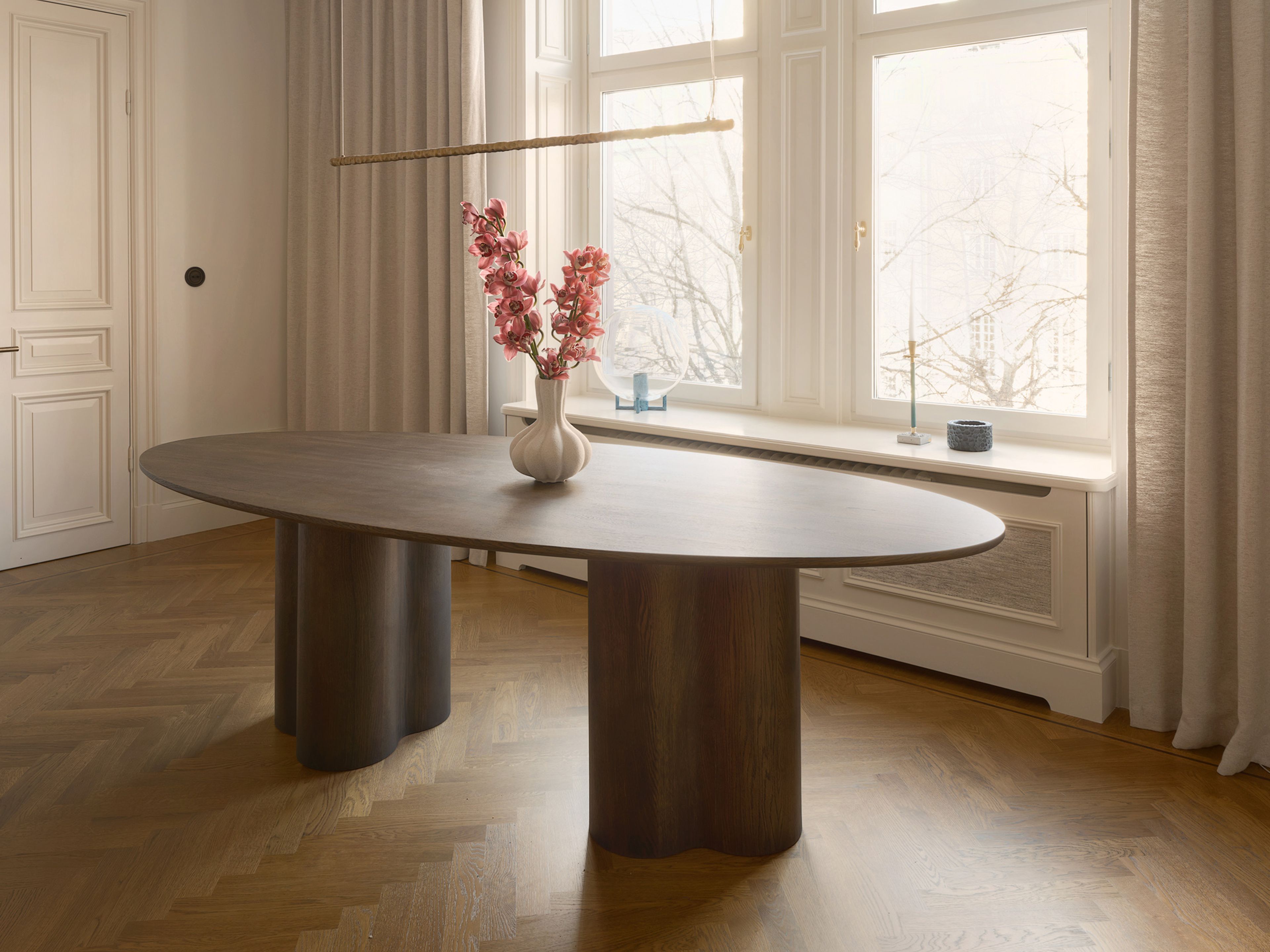
There are many advantages to choosing a solid wood table. These tables are made from a natural material whose grain makes each piece unique. Another advantage of a solid wood table, instead of veneered wood, is that the solid surface can be sanded to remove any damage and marks, which in turn gives the table a longer life.
Tables made of solid wood often consist of wood species such as oak, ash and beech but also other varieties such as walnut and birch. The different types of wood differ in terms of grain and natural colour tone as well as durability, so it's up to you to choose which variant you prefer.
Care tips for your Tables
Here we have collected general care instructions that apply to many of our Tables.
Solid wood
Tables in different shapes should be used to avoid water rings.
Humidity and temperature have an impact on how the wood changes - whether it shrinks or swells. The result of this is that parts of the Tables can change and fit differently. A tip is therefore to regularly adjust and tighten all screws.
Please note that thin cracks may appear between joined parts. This is common and is due to the fact that wood is a natural material that moves.
Always lift the table by the frame or legs, otherwise the table top may be damaged.
Do not expose the Tables to large differences in heat and moisture.
Do not place the Tables against or near a heat source.
Do not place the Tables in direct sunlight and expose the entire surface of the table to even light.
If you have a table with additional tops, these should be added regularly so that they are the same colour as the rest of the table.
Lacquered surface
Remember to always wipe off any spillages immediately.
Clean with a damp, soft cloth with a little water and mild soap.
Wipe with a soft, dry cloth afterwards.
Use only water and soap for cleaning. Avoid chemicals, alcohol and abrasive cleaners.
Oiled surface
Before using your oiled Tables, it must be treated with furniture oil. Then repeat the treatment 2-3 times a year. Also remember to clean the surface before treatment.
Clean daily with a soft, damp cotton cloth. A mild soap solution can also be used.
Use a dry cloth for post-cleaning.
Avoid contact with textiles and wallpaper as the oil may stain them.
If something is placed on the Tables for more than a week, light-coloured stains may appear.
Pigmented surface
Before use, the Tables must be oiled with transparent furniture oil. Then repeat the treatment 2-3 times a year. Also remember to clean the surface before treatment.
Clean daily with a soft, damp cotton cloth. A mild soap solution can also be used.
Use a dry cloth for wiping.
Spray wax can be applied regularly to make the surface easier to care for and more durable. Always test first on a part that is not visible.
If something is left on the Tables for more than a week, light-coloured stains may appear.
Has your Tables been damaged or stained? If so, you should treat the entire surface, including the top and additional discs, with white oil.
Veneered surface
As veneer is a thin layer of wood, it cannot be sanded down to hide any damage. Therefore, do not use abrasive cleaners, steel wool or polish, for example.
Just like solid wood tables, veneer is treated with various finishes such as lacquer and oil. The care instructions for these therefore also apply to veneered Tables.
Ceramic surface
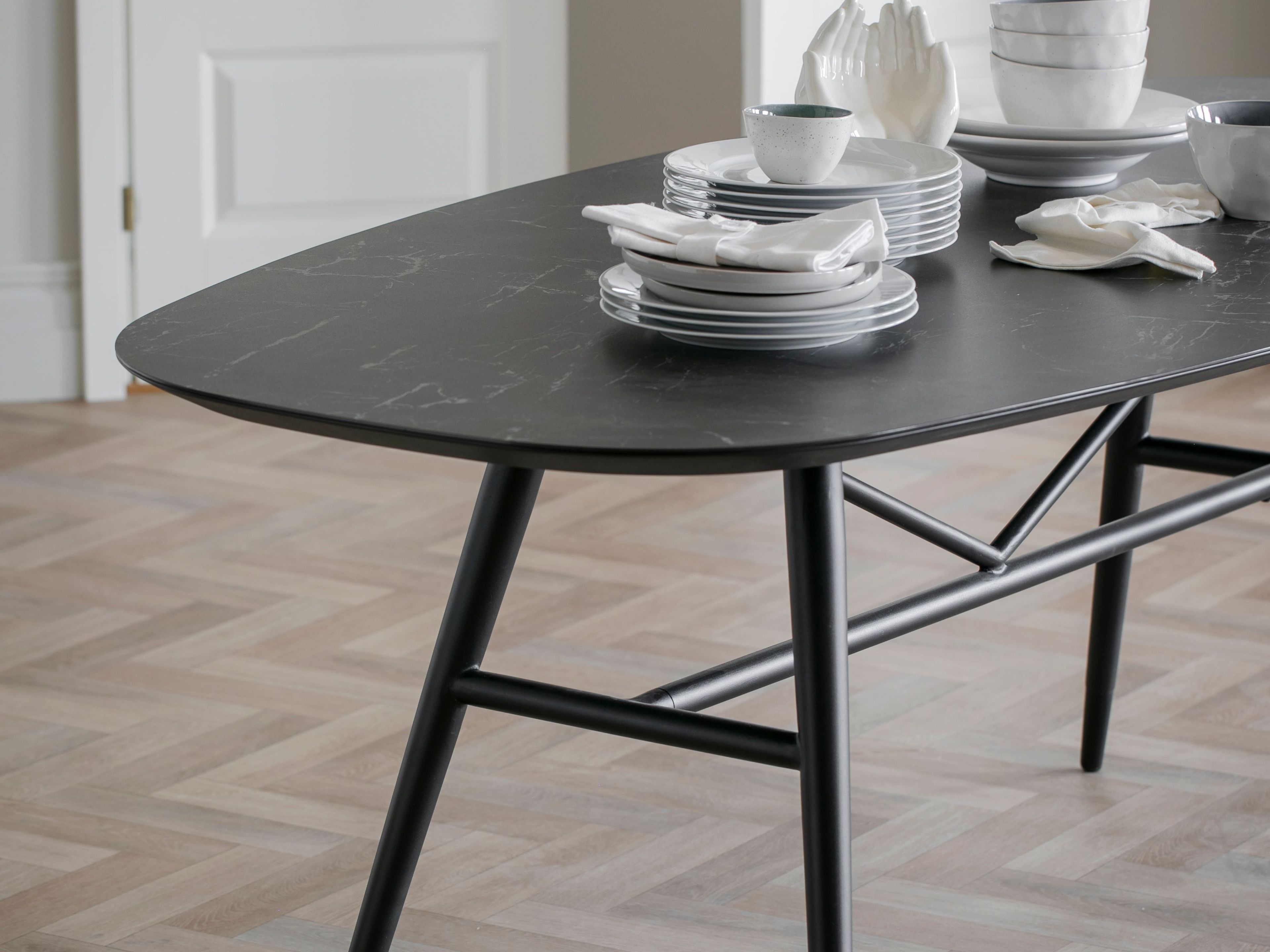
Durable surface with little maintenance.
Clean regularly with warm water and mild cleaning products and wipe with a cloth.
Window cleaner can be used to remove any rings and streaks left by water. Then wipe with water and washing-up liquid and dry.
Do not use alcohol, strong chemicals or abrasive cleaners.
The surface has good resistance to scratches but coasters should still be used to avoid wear.
Ceramic surfaces withstand heat well and a saucepan, for example, can be placed directly on the surface - although for shorter periods when the whole table does not have a ceramic surface.
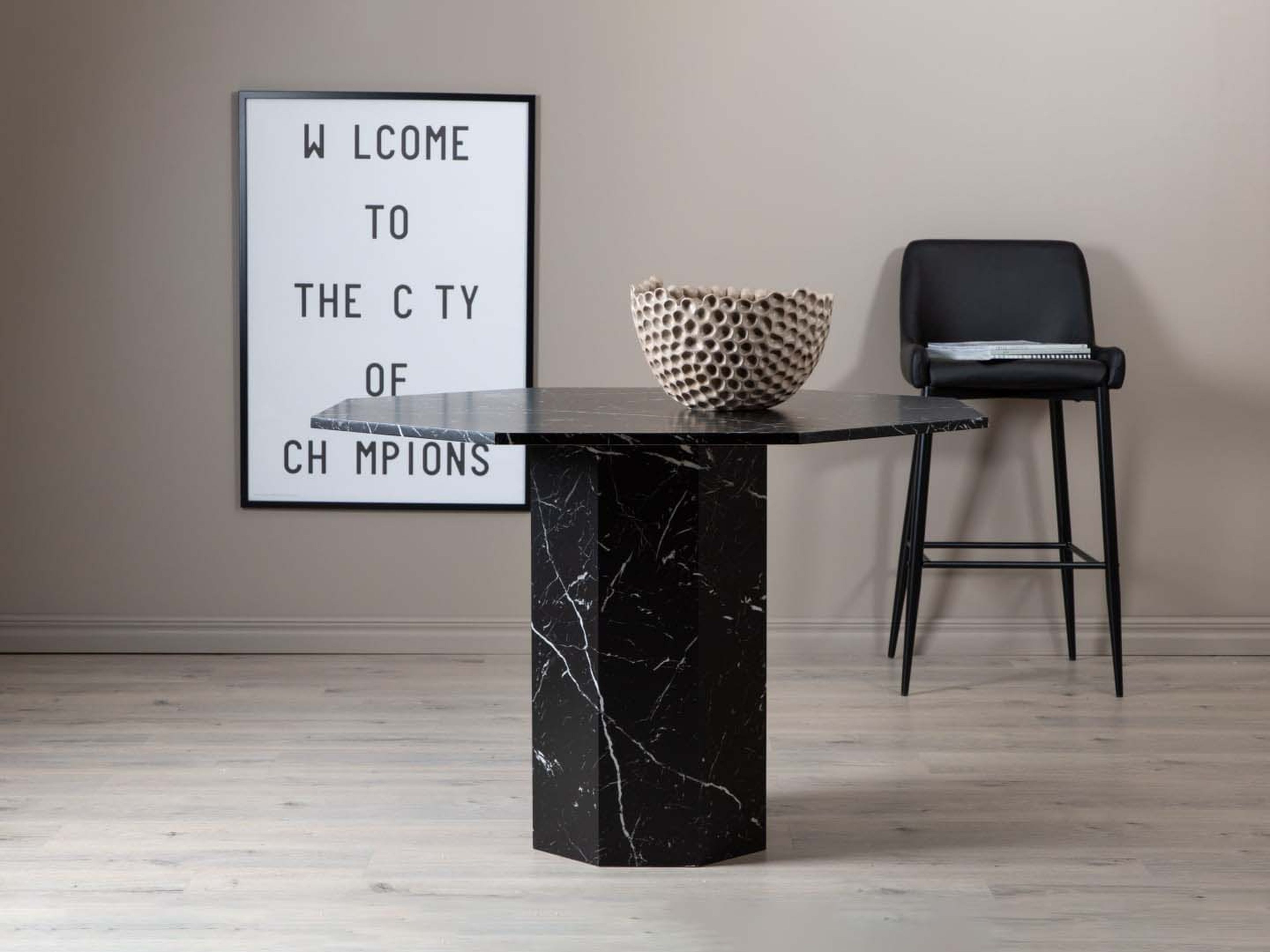
Marble
Treat the marble top a couple of times with a suitable product or apply a thin layer of paraffin oil, also known as white oil. The oil can be left on the surface for a while before wiping and polishing.
Marble is a porous material that is sensitive to spillages. Therefore, always wipe up spillages immediately.
Marble is sensitive to acids, so never use acidic cleaners. Removers for removing limescale, such as toilet cleaners, are harmful and can cause corrosion.
Other acidic substances such as wine, vinegar, vinegar, fruit juice, carbonic acid, coffee, etc. are also harmful.
Use cleaning products designed for stones.
For daily cleaning, use a dishcloth moistened with water. Ordinary soapy water goes a long way.
For heavier dirt, you can use pure alcohol or thinner, for example. Wipe off with a dishcloth. Afterwards, wipe the surface with a damp cloth.
If you get grease stains on the marble disc, try heating the surface with a hairdryer, for example, and then sprinkling on potato flour. Leave to soak for an hour or so and then wipe off.
Always use coasters for glasses and crockery to avoid corrosive damage.
Laminate
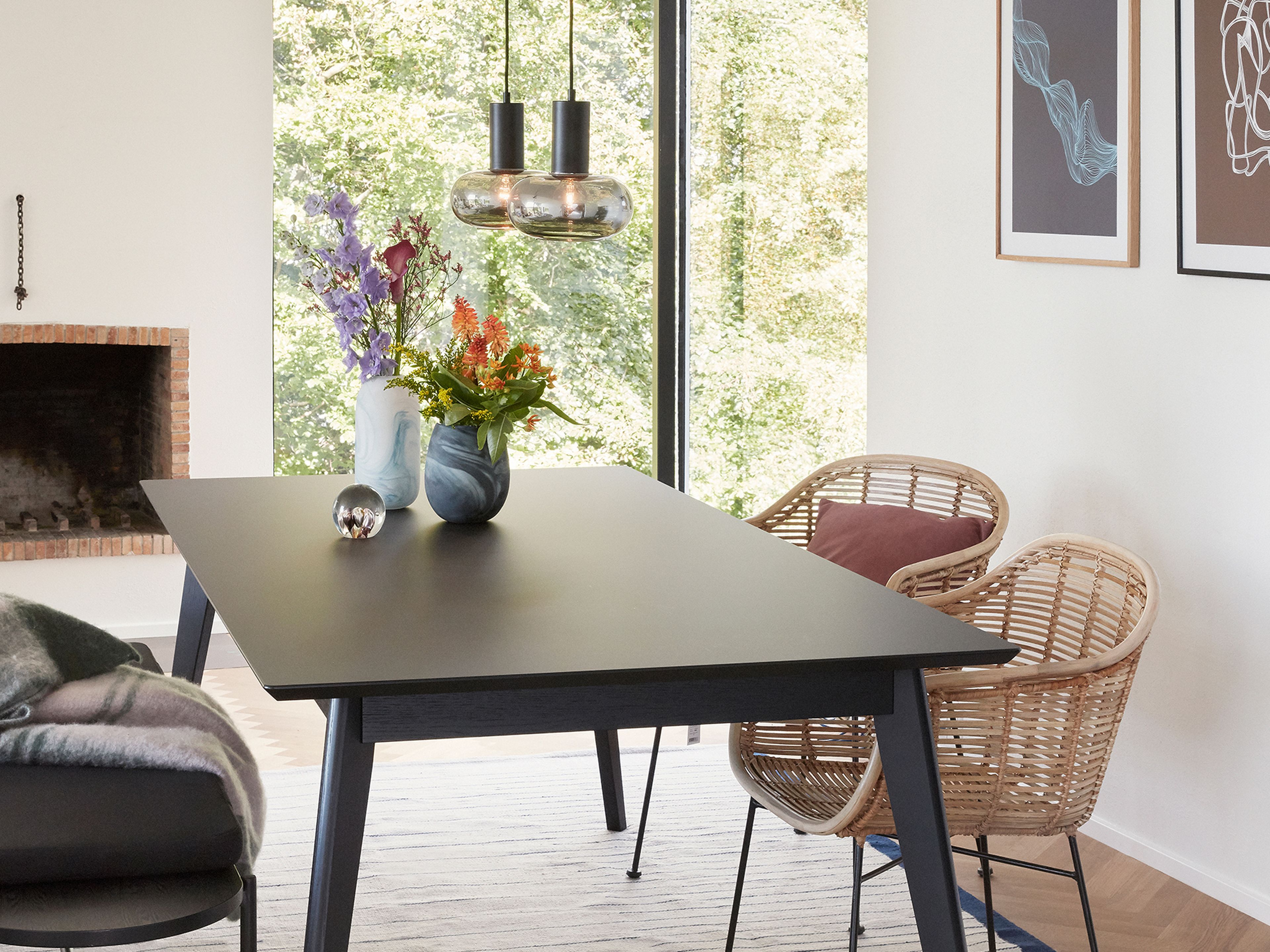
Tables with laminate tops are extremely durable and do not require much maintenance.
Wipe with water and mild detergents.
For more severe stains, stronger cleaning agents can be used, but without abrasive effect. Use window cleaner, for example.
After heavy cleaning, wipe with water and washing-up liquid and dry.
Do not use products such as steel wool and abrasive sponges as they can damage the surface.
Avoid acidic products as they can also damage the surface.
Tables categories
All tables Dining tables Coffee tables Bedside tables Side tables Bar tables Desks Drink trolley Pedestal
Tables Brands
For further questions and concerns, please do not hesitate to contact customer service via email info@sleepo.se or by phone on 08-20 87 70.